
Dedicated IP vs Shared IP: What’s Best for Your Business Website in 2025?
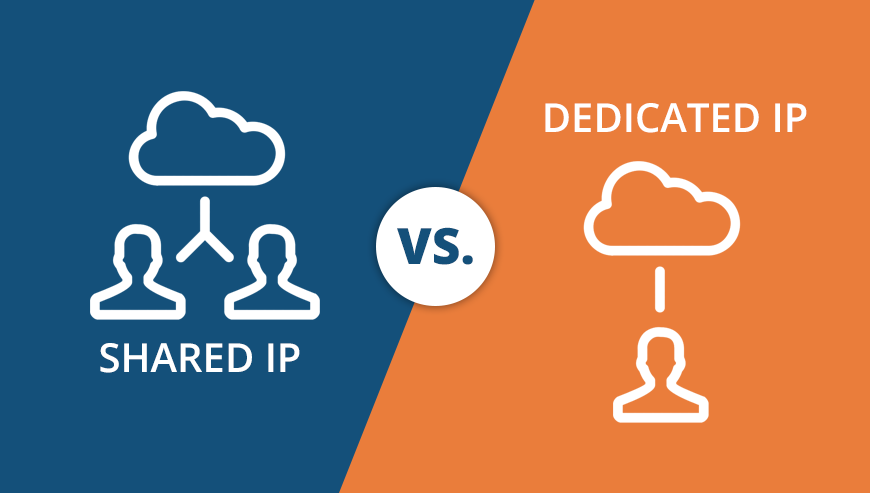
When setting up hosting for your business website, you’ll probably come across terms like shared IP and dedicated IP. At first, they might sound too technical, but the difference between the two can actually impact your site’s performance, email reliability, and even reputation online.
So I'll keep it simple and break down what each one means, why it matters, and how to decide which option is best for your business.
Dedicated IPs - what are they?
A dedicated IP is your website’s very own unique address. No one else shares it; it's entirely yours. It’s sort of like owning your own standalone house. You set the rules, and you’re not affected by the neighbours. Having a dedicated IP can really help if you send out newsletters or marketing emails, since it gives you a stronger email reputation. It can also make your site’s security and SSL setup more reliable and keep things running smoothly, especially if you get a lot of traffic. Plus, it gives you more flexibility for custom setups or advanced features.
The only downside? It usually costs a bit extra each month, and if you’re managing your own hosting, it can be a little more technical to set up and maintain.
Shared IPs - What Is It?
A shared IP means your website shares its internet address with other sites on the same server. Think of it like living in an apartment building, each apartment (website) has its own space, but everyone uses the same street address.
Shared IP is a cost-effective option that’s typically included in standard hosting plans. It’s easy to manage since your hosting provider handles most of the setup and works well for small to medium-sized websites. However, sharing an IP means you also share its reputation; if another site on the same IP is flagged for spam or bad behaviour, it could impact your site’s trust or email deliverability. You’ll also have less control if you ever need custom configurations.
So what will you decide?
For most small to medium business websites, think portfolios, local service pages, or your classic “About Us” and “Contact” duo. A shared IP is totally fine. It’s like carpooling for websites: affordable, reliable, and gets everyone where they need to go without any drama.
On the other hand, if your business relies on reliable email delivery, handles online transactions, or simply wants the confidence of having full control, a dedicated IP is a smart investment, and the extra cost is usually well worth it.
TLDR;
Shared IPs are recommended for brand new businesses, whilst Dedicated IPs are a smart upgrade for businesses that rely on reputation and performance.
Wrapping things up
Your website’s IP might seem minor, but it affects how smoothly things run online. Whether to go with a shared or dedicated IP depends on your goals, budget, and control needs. If you’re unsure, start with a shared IP. You can always upgrade as your business grows.